
The Psychoergonomic Method of Clinical Psychiatry is an authorial clinical framework developed by Valery Kravitz and validated through ten years of structured psychiatric practice (2016–2026). The method is focused on individualised psychiatric diagnostics, therapeutic planning, and long-term clinical management based on the patient's psychological structure, behavioural presentation, life context, and dynamic response to treatment.
Official Publication:
Zenodo (DOI): Zenodo (DOI)
OSF Repository: OSF Repository
Author:
Valery Kravitz
IsraClinic® Private Psychiatric Expert Clinic (Tel Aviv)
ORCID: ORCID
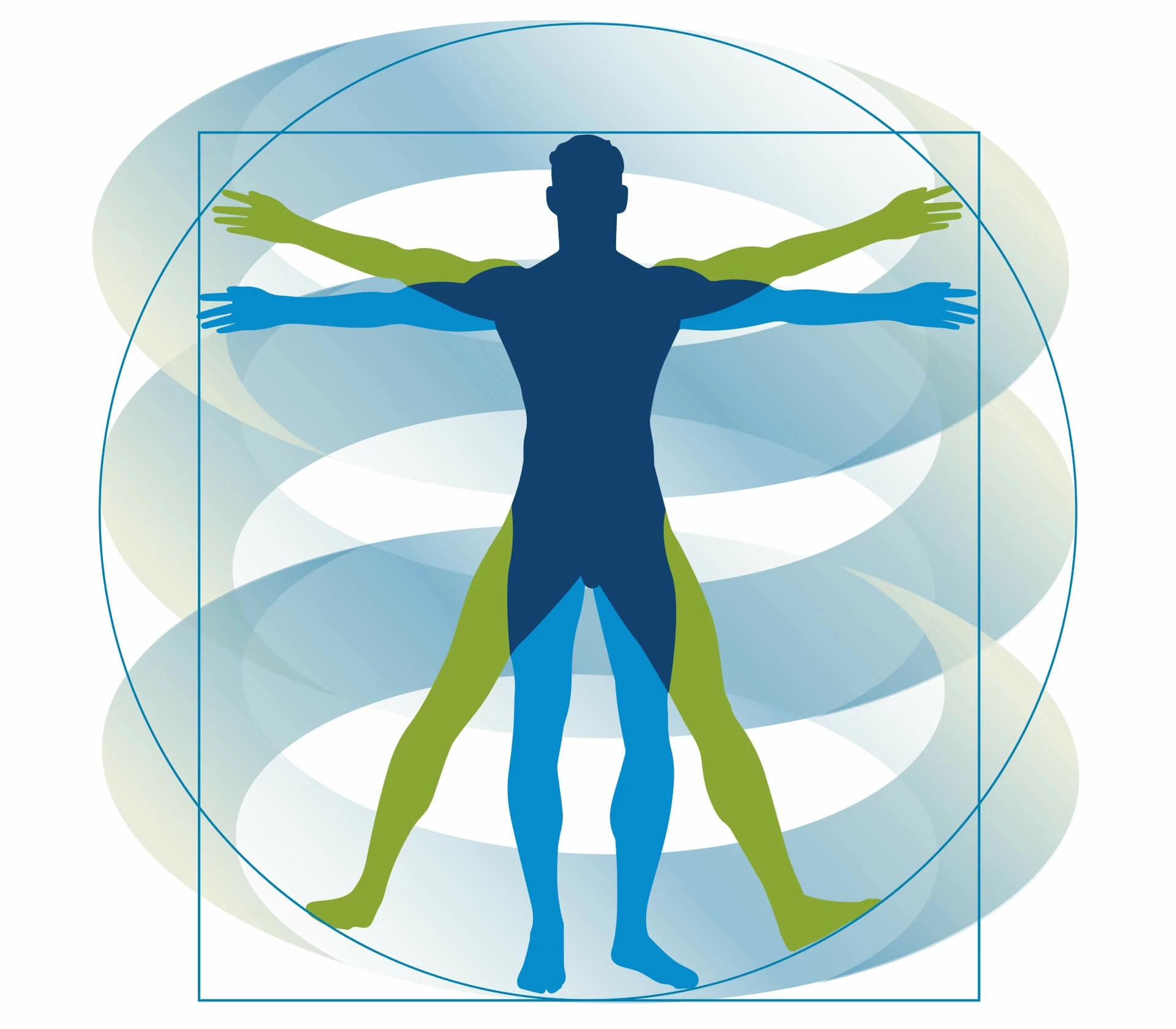
To understand the essence of psychoergonomics, it is useful to recall Leonardo da Vinci's Vitruvian Man — an illustration created for the works of the ancient Roman architect Vitruvius. The drawing depicts a human figure harmoniously inscribed within both a circle and a square, conveying the proportions of the human body and its integrity with the surrounding world. This image reflects an idea that has guided thinkers across centuries: that harmony is not an abstract ideal, but a measurable, structured relationship between a person and their environment.
This principle forms the conceptual basis of the Psychoergonomic Method. Just as ergonomics — formalised as a discipline in the 20th century — is concerned with adapting conditions to fit the specific characteristics of the individual, psychoergonomics applies this logic to psychiatry. Each person is a unique individual, consisting of many facets and characteristics. Effective treatment must account for all of them: the history of the illness, concomitant conditions, the patient's psychotype, lifestyle, social context, and personal goals.
Psychoergonomics can be described in two words: individuality and complexity. Individuality means a strictly personalised approach to each patient. Complexity means the involvement of multiple specialists — psychiatrist, neurologist, psychotherapist, and diagnostic professionals — each assessing the patient's condition from their area of competence. Together, this reduces the risk of diagnostic error, enables precise treatment selection, and supports consistent long-term outcomes.
Modern classification systems describe hundreds of distinct mental disorders and syndromes. Some respond well to treatment; with others, stable long-term remission is achievable. Standard psychiatric practice typically relies on established protocols: a defined diagnostic pathway and a treatment sequence based on clinical guidelines for a given condition.
The Psychoergonomic Method does not reject these standards — it works within them while adding a layer of depth and individualisation that protocol-based models alone cannot provide. We are convinced that no two cases of schizophrenia or depression are identical. Each has its own cause, its own contributing factors, and its own optimal treatment pathway.
For example: depression caused by an underlying organic condition requires treatment of that condition alongside symptomatic relief. Drug-induced psychosis requires addiction rehabilitation in parallel with antipsychotic therapy. Identifying these distinctions — and acting on them — is the clinical purpose of psychoergonomics.
Each patient also has individual protective and compensatory mechanisms. The same external event may push one person toward active coping, and another toward withdrawal or crisis. Understanding this variability is essential for selecting the right therapeutic approach.
Diagnostic work within the Psychoergonomic Method is comprehensive and multi-stage. It typically includes neuroimaging (MRI or CT with contrast), laboratory assessment (complete blood count, biochemistry, hormonal status, vitamins, and electrolytes), detailed clinical and psychosocial history — collected through conversations with both the patient and, where relevant, close family members — projective psychological testing, and neurological examination to exclude organic causes of psychopathology.
Only on the basis of this integrated assessment is a diagnosis confirmed and a treatment plan developed. Pharmacotherapy and psychotherapy are selected according to the specific characteristics of the patient's condition and personality — not according to a generic protocol.
Comprehensive diagnostics also identify concomitant conditions — metabolic, neurological, or other — that may directly affect psychiatric symptoms or the tolerability of treatment. Accounting for these factors allows for more precise prescribing, reduces the risk of complications, and supports a more stable clinical trajectory.
All specialists involved in the patient's care work in close cooperation, regularly reviewing clinical dynamics and adjusting the plan as the patient's condition evolves.
Psychoergonomics is an authorial clinical method of diagnosis, treatment planning, and long-term monitoring in psychiatry. It was developed within the clinical framework of IsraClinic under the authorship of Valery Kravitz.
For the full methodological description and 10-year clinical practice framework, see:
Psychoergonomic Method — 10 Years of Clinical Practice (2016–2026)
Transparent rules: how the clinic is licensed, which rights every patient has and what to expect from treatment.