
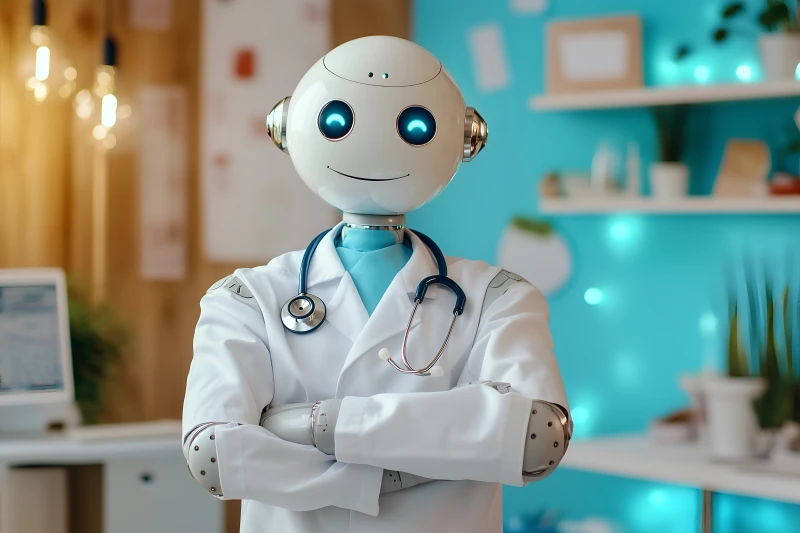
Many patients use AI tools because they are:
easy to access
available 24/7
less intimidating than speaking to a clinician
quick to respond
seemingly informative and reassuring
For some people, this feels like a harmless first step. But convenience should not be confused with clinical safety.
A chatbot may sound calm, intelligent, and confident. But it does not perform a real psychiatric assessment. It does not evaluate risk the way a clinician does. It does not take responsibility for diagnosis, treatment planning, medication decisions, or the consequences of error.
This becomes especially risky when people rely on chatbot advice for symptoms such as:
depression
severe anxiety
panic attacks
insomnia
mood instability
suicidal thoughts
hallucinations
paranoia
psychotic symptoms
medication-related questions
In these situations, delay is not harmless. Delay can worsen the condition and postpone the right treatment.
A chatbot may make a serious condition sound mild or manageable when it is not.
A person may spend days or weeks asking AI for advice instead of seeking proper psychiatric or psychological care.
A chatbot may provide recommendations that sound reasonable but are not clinically appropriate for that individual.
In vulnerable patients, especially those with severe anxiety, paranoia, or psychotic symptoms, AI responses may unintentionally support unhealthy or dangerous interpretations.
People often share highly sensitive personal information with chatbots without fully understanding how that data may be stored, processed, or used.
AI tools may still be helpful in a limited, supportive role. For example, they can be used:
to write down symptoms
to prepare for a consultation
to keep notes between appointments
to track sleep, mood, or stress
to receive general educational information
That is where their role should remain: supportive, not diagnostic and not a substitute for treatment.
A chatbot should never replace:
a psychiatric consultation
psychotherapy
urgent mental health care
medication review
diagnosis
clinical risk assessment
Most importantly, chatbot advice should never be treated as equal to the recommendation of a qualified doctor or therapist.
Use AI carefully and realistically. It can be a tool, but it should not become your clinician.
If symptoms are persistent, severe, unclear, or affecting daily functioning, the correct next step is a professional consultation. A qualified specialist can assess the full picture, clarify the diagnosis, evaluate risks, and recommend treatment based on the individual patient rather than on a generic prompt.
AI can be useful. It can save time. It can help a person take the first step.
But it cannot replace a full psychiatric or psychotherapeutic consultation.
New technologies should support mental health care — not replace it.